
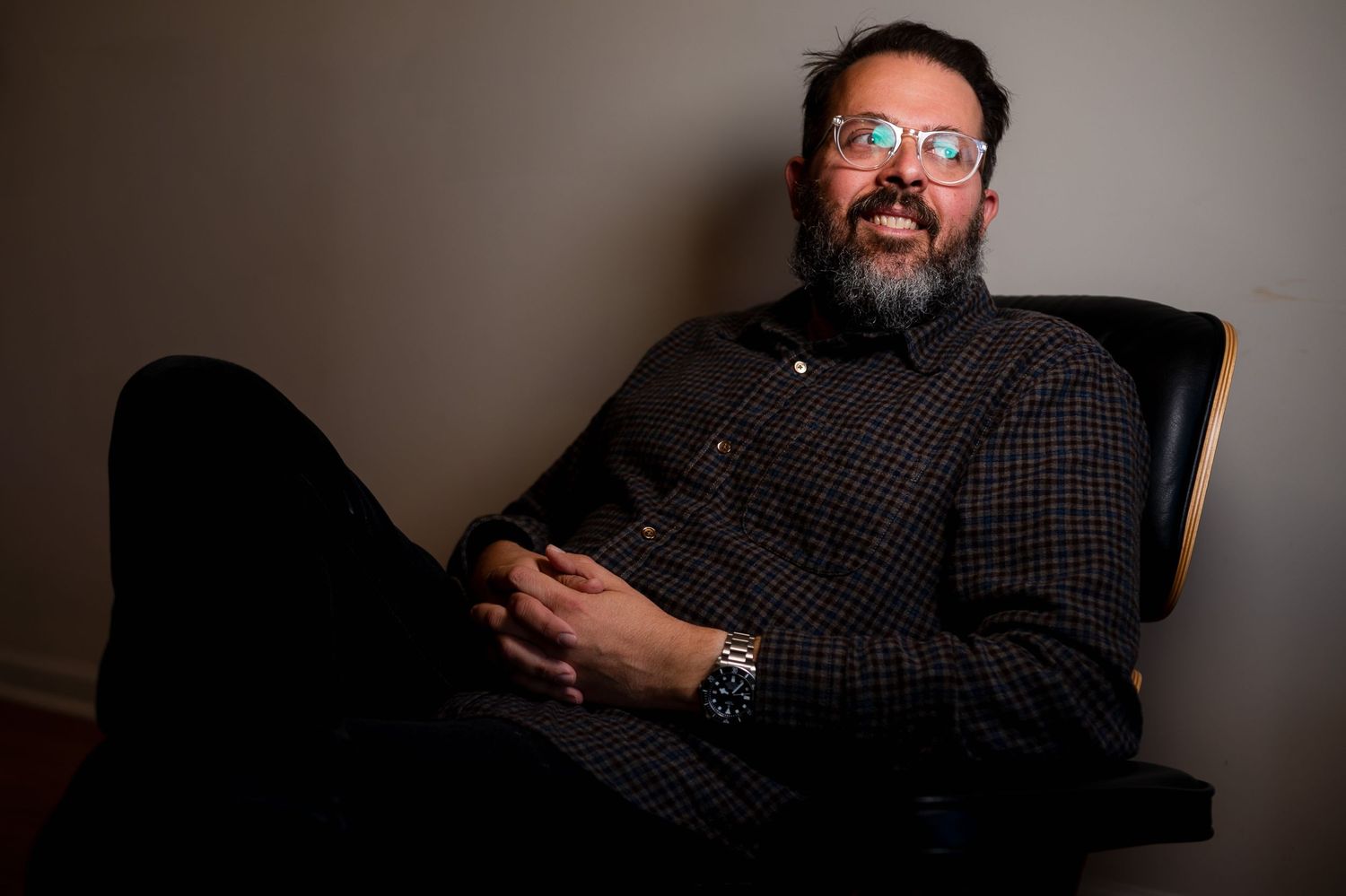
Todd Evans
Owner
I remember the first time I developed a black and white print in my middle school graphic arts class. We learned lots of things that summer semester—silk screening, offset printing, some computer graphics, but nothing was as impressive to me as the “magic” I experienced when dropping a piece of photo paper into a bath of developer and seeing an image slowly appear. I was hooked at the age of twelve.
In high school, I continued with photography, taking all the classes that were available to me, and taking pictures for the yearbook.
None of that early work is documented, but when I reached college in 1998, my first architecture professor Mr. Jorge Zertucha taught us the importance of documenting our work and maintaining a portfolio. He would take time out of his weekends and teach us how to take pictures of our architectural models using his Nikon F3, a macro lens, and Kodak tungsten balanced slide film in the campus TV studio. As a struggling student, I couldn’t afford a Nikon F3, so I scraped together a couple of hundred bucks for a Minolta Maxxum 7000, and at the end of every semester I continued the ritual of photographing the models I made over the previous weeks and maintaining a portfolio as Jorge had instructed us.
Sometimes he’d let us borrow his camera. A camera, which I finally bought for myself 30 years later and have spent way too much money keeping operational because of my sentimental attachment to Mr. Zertucha, who passed away in 2002.
I'm not sure where or when I met Chris Venditto, but I know that he was equally as passionate about documenting his work and we'd often find ourselves in that TV studio together. That led to a lifelong friendship rooted in photography. I benefited from his eye, and his Mamiya 645 with a broken light meter, and we traveled around the state, and as we got older, the world, taking pictures together.
While in college, I also did a short stint as the sports photographer for the college newspaper. I quit in protest of my pictures not being published as often as I thought they should have been, but looking back at the equipment I had available to me, and my general disinterest in sports, I’m guessing what I turned in was probably pretty terrible.
From college on, my friends will tell you that a camera was pretty much always with me. It was a tool for gathering inspiration for my architecture work, and a way of connecting with people.
My career as an architect and a diplomat allow me a unique opportunity to travel the world, and the camera has continued to be at my side on my travels, helping me document the world I’m fortunate enough to see and bring it home for my friends and family.
When I got married in 2018, I immediately bonded with our wedding photographer, Mantas Kubilinskas, and maintained a great creative friendship with him. We film goofy projects together. We discuss equipment and go on photowalks together whenever time allows, and he’s been generous with his time and knowledge, pushing me from the rigidity of architectural photography, to humans and emotions.
What's up with the name "exposure therapy"?
It's a few things.
It's a reference to the photographic use of the word "exposure", a technical definition of how much light is captured by a camera.
It's a reference to the therapeutic feeling that some clients have when getting new pictures of themselves to celebrate an achievement, for use in their business, marketing, social media, or to frame and put on their desks and walls.
But most of all, it's this . . .
When you think about it, photographers have an unusual job. We are asked to witness and document the most important moments of people's lives, and more often than not, these people are essentially strangers to us. We see their parents cry, their best friends give speeches full of love and stories about their past, we see couples about to celebrate their 50th anniversary give marriage advice to the newlyweds, we see children dance, have meltdowns, and fall asleep.
We have a level of access that strangers normally are not permitted.
This level of access is really special, especially for someone who is mildly autistic and who can sometimes have trouble interpreting emotions. Doing this work is kind of like "exposure therapy" for me and teaches me to be a better person.
The logo is a play on the autism foundation's famous use of a puzzle piece for their logo, making a camera part of that puzzle.
Collaborators
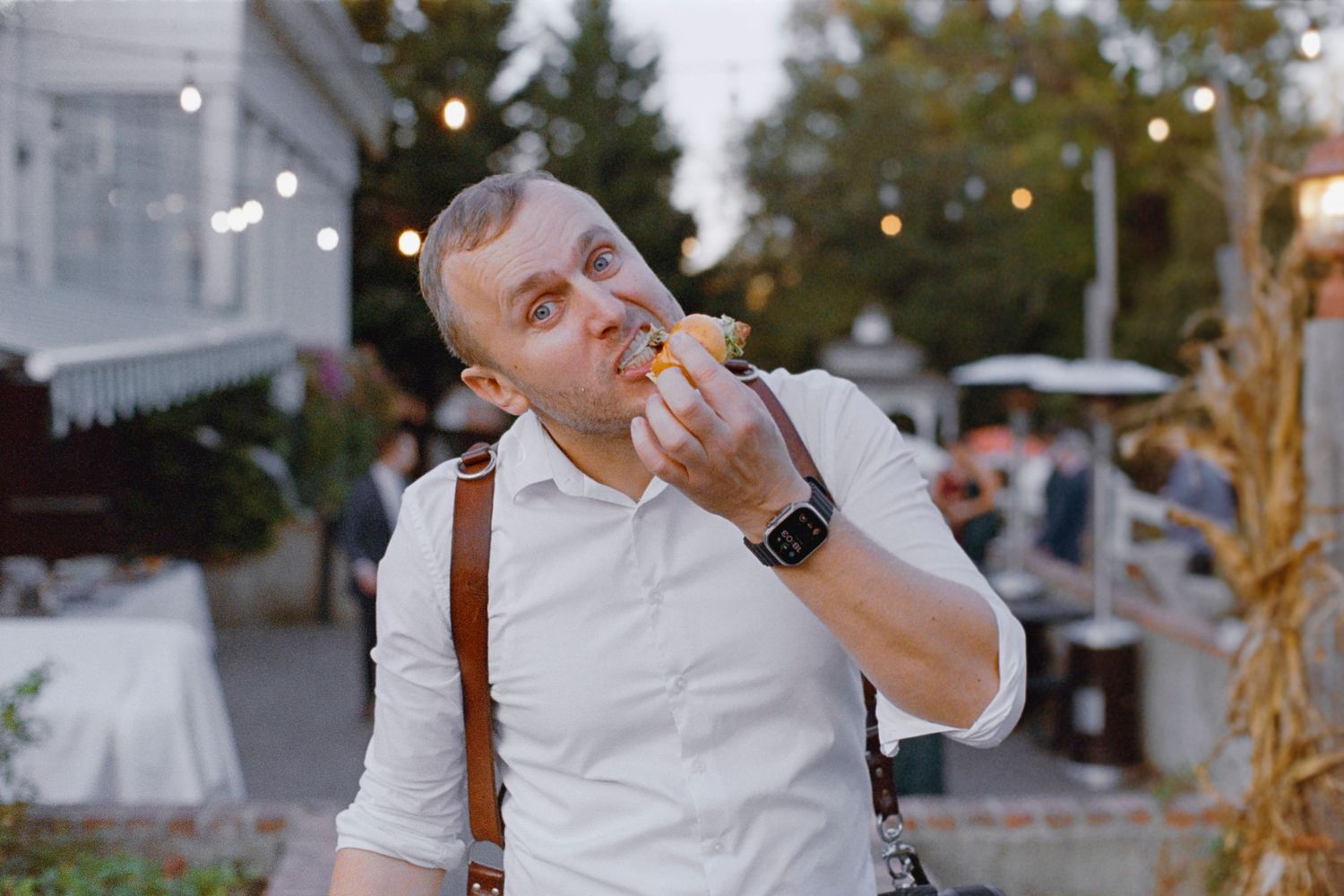
Mantas Kubilinskas
Photographer
Mantas has an ability to understand people's emotions better than they do, and then exploit that understanding in order to capture them in camera. You'll often find me working as a second shooter for him, and I like to think we make a great team--me with my autistic / scientific approach pushing him towards technology, and him pushing me to pay attention to the moment at hand. He also photobombs my shots to mess with me.
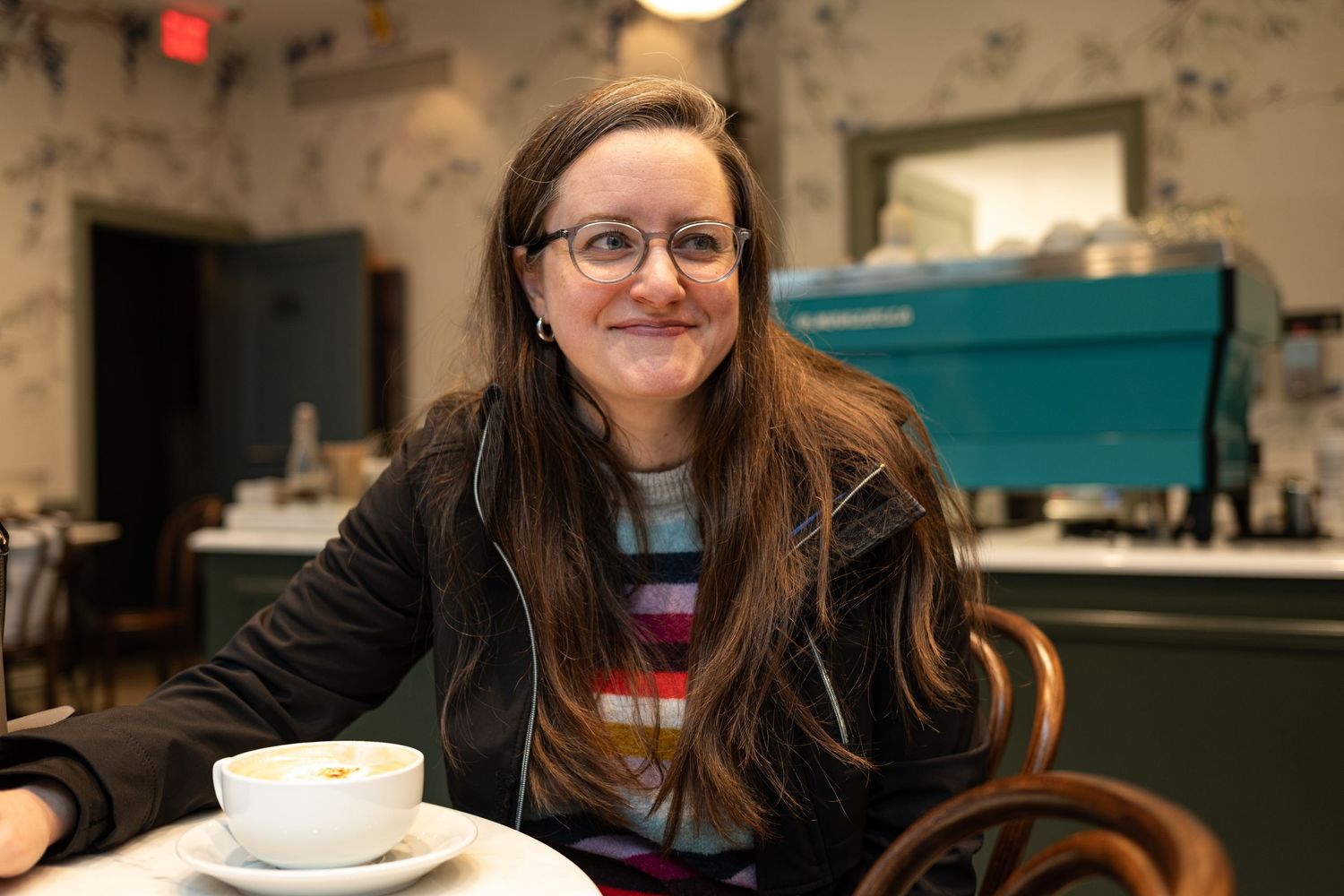
Kate Evans
partner
Every goofball photographic technique I try on you, she has patiently let me test on her first. When I'm at your event, she's feeding, bathing, and/or putting our daughter to bed. If your bridesmaid's speech made me cry, it's because I was thinking of her and how much I want to hug her when I get home.
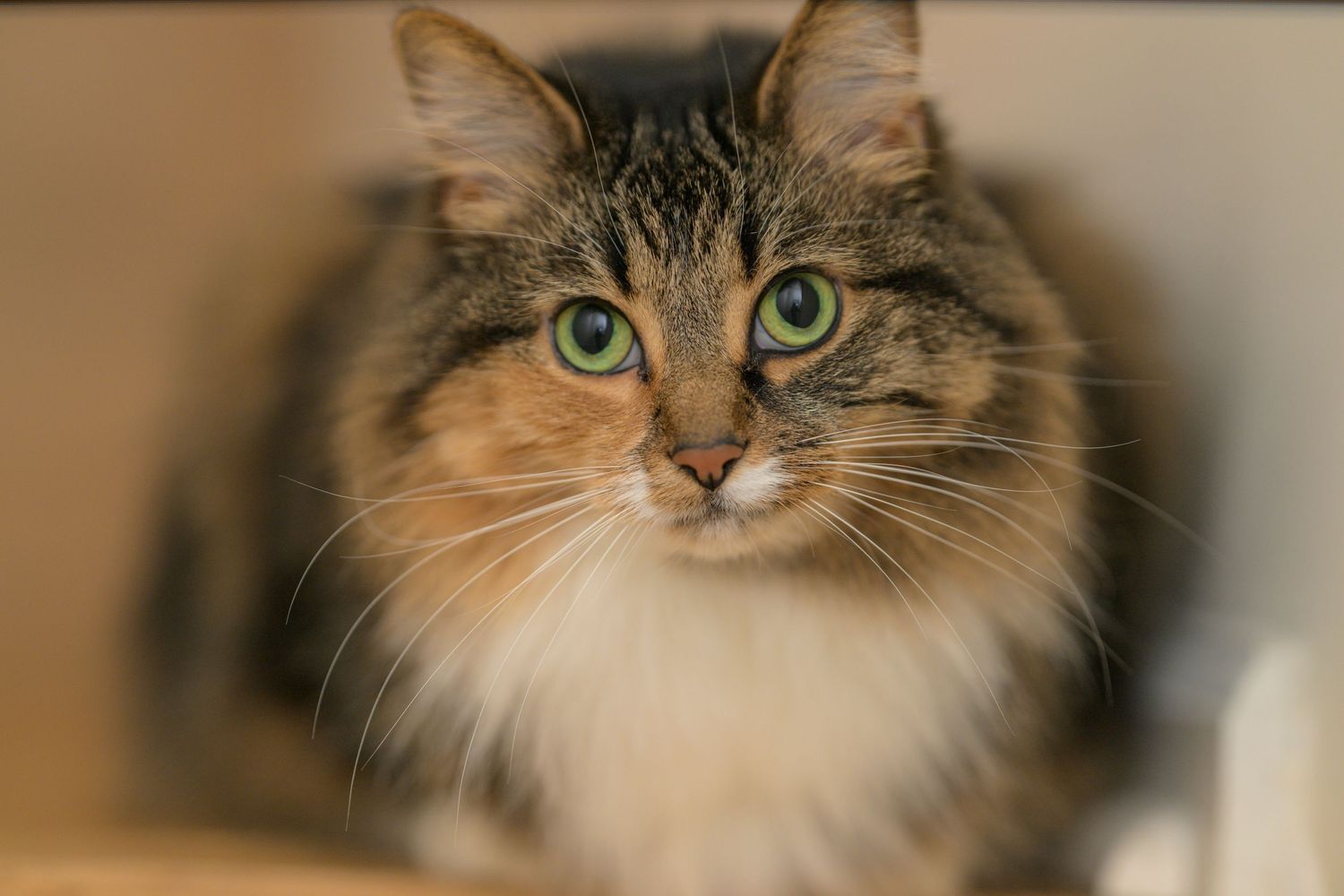
Pickles
biscuit chef
She's standing on my keyboard right now letting me know she is hungry s'dhofig;lk
Fun Facts
66
Number of UN recognized countries visited. And that's not counting airports or layovers
30+
Years of photographic experience, including film, darkroom, and digital
2
Number of bands I play in. We're not very active right now because of COVID babies
7
Number of cameras owned. Don't judge me--two are broken and harvested for parts so that others may live
Follow me on Instagram


